

WILDLIFE SAFARIS
Give wildlife its own day.
Choose one strong safari experience rather than moving between parks just to add more sightings to the itinerary.
Build the days you will remember
Choose the experiences that matter to you, then give them enough time. Sri Lanka works best when culture, landscape and everyday life share the route.
Four ways into the island
Each guide combines inspiration with the small practical choices that make the experience calmer, safer and more respectful.
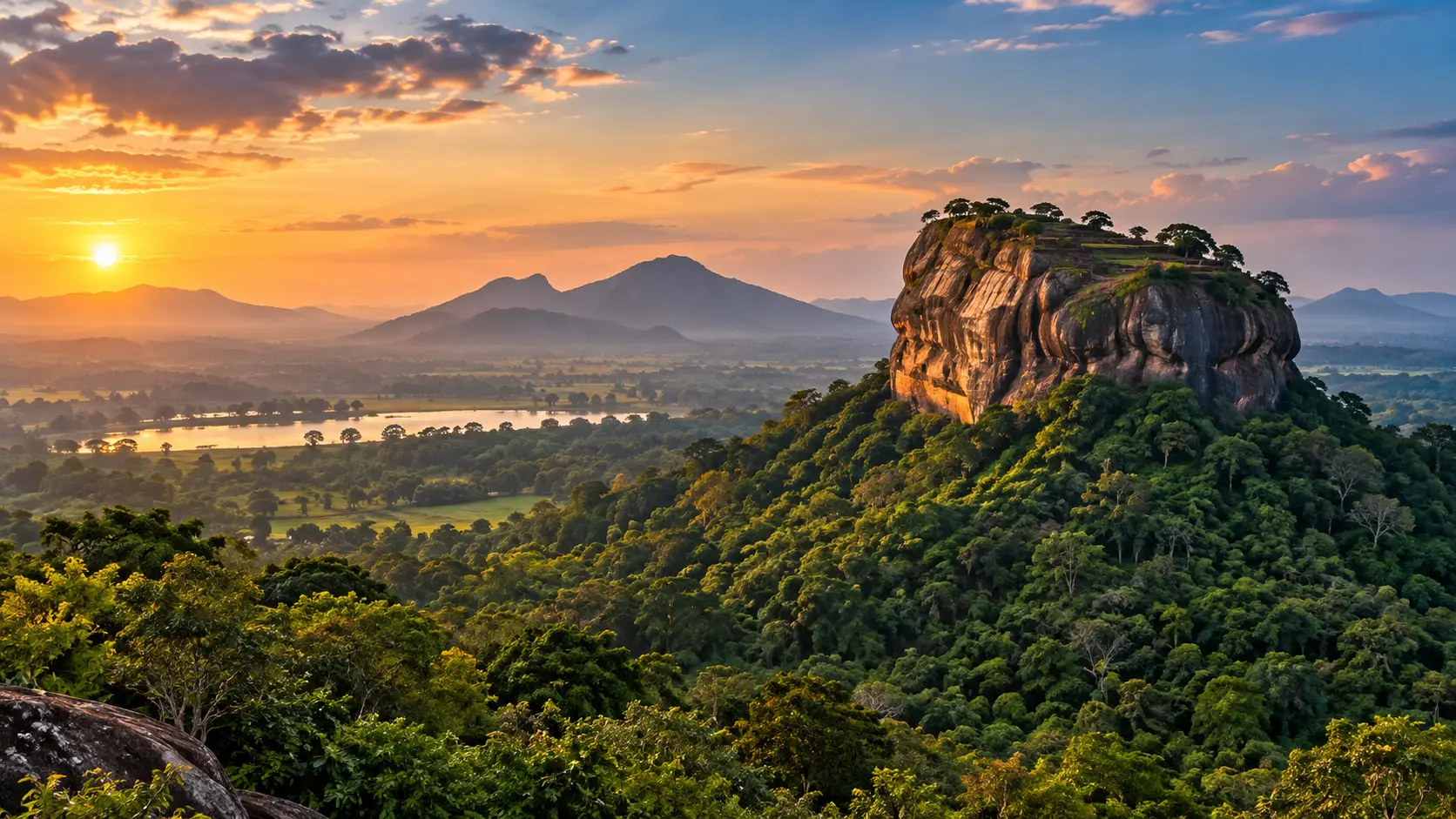
Build wildlife into a wider journey without making every day another safari transfer.

Sri Lanka's two seasonal coastlines make timing and sea conditions central to a good beach plan.
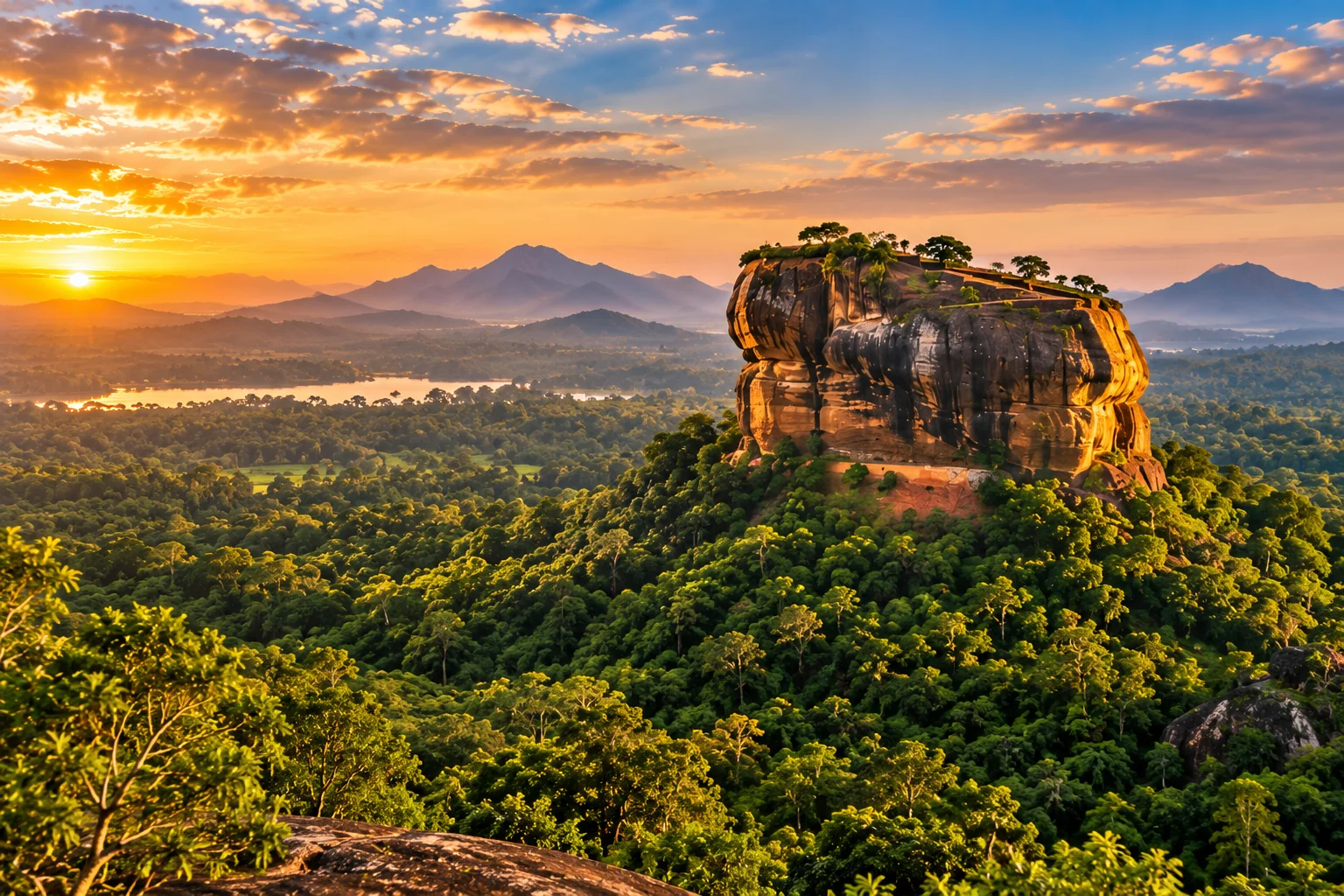
Ancient cities, sacred spaces and everyday traditions make the island's history part of the present.
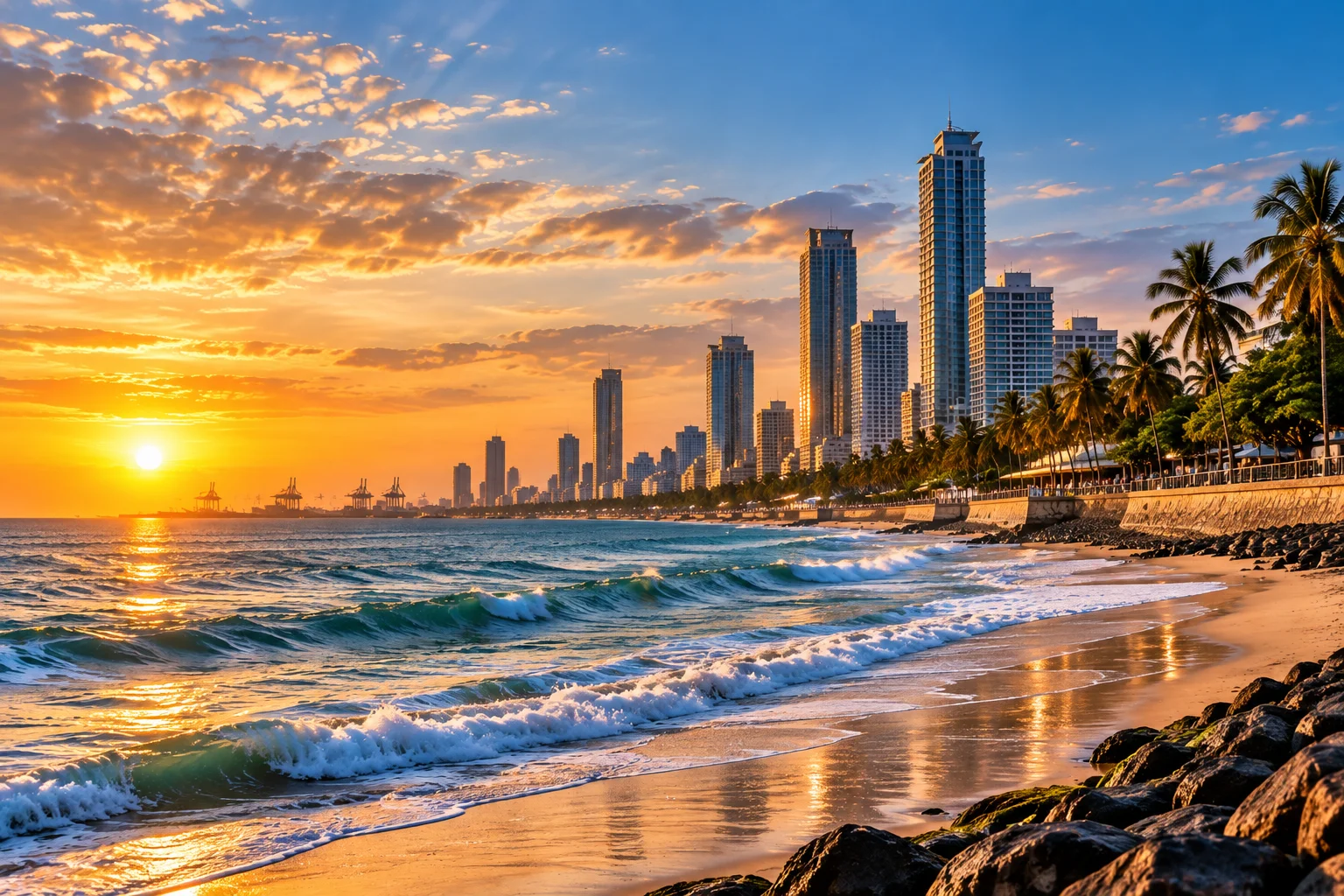
Markets, short eats, home kitchens and regional dishes reveal how place and season shape Sri Lankan food.
CHOOSE YOUR EXPERIENCE
Start with one or two experiences that matter most to you. Then use the regional guides to decide where they fit naturally into the journey.
WILDLIFE SAFARIS
Choose one strong safari experience rather than moving between parks just to add more sightings to the itinerary.
BEACHES & SWIMMING
Sri Lanka’s two coastlines work differently through the year, so beach planning should begin with your travel month.
SURFING
Build surf days around the right coast rather than forcing them into a route where sea conditions may not suit the plan.
HIKING & VIEWPOINTS
Cooler highlands, tea landscapes and viewpoints work best when the day is not packed around another long transfer.
TEMPLES & HERITAGE
Ancient cities, temples, sacred sites and colonial history become more meaningful when you leave enough time for the places around them.
SCENIC RAIL JOURNEYS
Use the hill-country railway for the journey itself rather than treating every train only as transport between two stops.
FOOD & MARKETS
Markets, local meals and regional dishes can reveal as much about a place as its landmarks.
ISLANDS & COASTAL JOURNEYS
Ferries, peninsula roads and quieter coastal routes suit travellers who are comfortable leaving more space around each experience.
WHERE TO EXPERIENCE IT
Sri Lanka is compact, but the strongest experiences are not distributed evenly. Use the region that naturally suits what you want to do instead of forcing every activity into one route.
WILDLIFE
Build one focused wildlife day into a wider regional journey.
BEACH & SURF
Let the season decide which side of the island works best.
HIKING & SCENERY
Cooler landscapes and slower travel make the central highlands the natural base.
HERITAGE
Combine ancient sites with places where religious and cultural traditions remain part of everyday life.
FOOD
Use regional food to understand how different parts of the island have developed their own character.
ISLANDS & REMOTE COAST
Give ferry connections and longer coastal journeys enough room to become part of the experience.
PLAN BY SEASON
Sri Lanka’s experiences move with the monsoons. You do not need perfect weather across the whole island — choose the right region for your main activity, then build the route around it.
SOUTH & WEST
This is a useful window for beach-focused journeys along the southwest and South Coast, when these shores generally see calmer and sunnier conditions.
HILL COUNTRY
Earlier months of the year are particularly useful for cooler highland journeys, tea-country scenery and outdoor days in the central hills.
EAST COAST
When the southwest monsoon affects the opposite side of the island, the East Coast becomes a particularly useful option for coastal travel and surf-focused routes.
NORTH
The middle of the year is a useful period for Jaffna, peninsula journeys and island-focused days, although heat and ferry conditions still need checking.
Culture, heritage, markets and food do not need one single beach season. Plan them around your wider route, current weather and the comfort of outdoor sightseeing.
A better travel rhythm
Leave breathing room around safaris, hikes, heritage sites and long meals. The unplanned parts often become the best parts.
HOW TO CHOOSE
These four groups of experiences have different constraints, different seasons and different travel rhythms. Choosing well matters more than choosing many.
Ancient cities, temples and pilgrimage sites are large, exposed and hot by mid-morning. The visitors who enjoy them most start at opening time and finish by early afternoon, rather than arriving after lunch when the heat and the crowds peak. These sites also reward context, so a good guide at one major location usually adds more than brief visits to several.
What you see depends on the month, the water and where animals have chosen to concentrate. A park that produces a memorable visit in the dry season can feel empty in the wet. Give any wildlife stop at least two nights so you have several chances at the drive times that actually work, and treat a sighting as an outcome to be earned rather than a product you have bought.
Sri Lanka does not have one beach season, and the two main coastlines are at their best at different times of year. Picking a coast before checking the season is the most common reason a coastal stay disappoints. Once the coast is right, choose the town or stretch based on whether you want activity, quiet, surf or a swimming beach.
Unlike a safari or a heritage site, food does not require a dedicated block of time. It happens on the way to everything else, and the regional differences across the island are genuinely significant. Following what local people are eating in the area you are already in usually delivers more than travelling to a specific restaurant.
Realistic expectations
Travel writing tends to present experiences at their best: empty beaches, close wildlife sightings, uncrowded heritage sites photographed in golden light. Those moments exist, but they are not the default, and planning for the default version usually produces a better trip.
Popular sites have crowds, and they are busiest in the middle of the day. Wildlife sightings are unpredictable, and some drives produce little. Some beaches are rough for swimming. Roads to beautiful places are often slow and winding, and the journey takes longer than the distance suggests.
None of that makes these experiences less worthwhile. It means that adjusting your expectations before you arrive is worth more than another item on the itinerary. Travellers who expect the crowds, the waiting and the travel time consistently enjoy themselves more than those who planned for the highlight reel.
BOOKING AND TIMING
Some experiences sell out or need reserving ahead; others are better left loose so you can adapt to conditions.
If a specific scenic train journey, a particular safari or a single guided site visit is the reason for part of your trip, secure it early. Availability on popular dates is the real constraint, and the less flexible your dates, the earlier you should commit. Everything else can usually be arranged closer to the time.
Whale watching, diving, surfing lessons and scenic flights all depend on conditions that cannot be guaranteed. Wherever possible, keep these activities movable, and avoid making one of them the fixed anchor of an expensive day. If it cannot be moved, accept in advance that it may not run as planned.
Heritage sites, wildlife drives and walking are all better before the heat and before the crowds. Building your day around an early start and a slower afternoon generally produces better experiences than the reverse, even though it feels less relaxed when you plan it.
Local advice is often better than advance research, particularly about conditions, timing and which sites are currently worth the journey. Leaving some decisions open lets you follow it. A trip with a few fixed anchors and plenty of room around them tends to outperform one that was fully booked before arrival.
Make it yours